Ad Attribution With Product Analytics: Choose the Right Measurement Layer
Ad attribution complements product analytics: use web or CRM delivery for web sales, app attribution for subscriptions, and lift tests to measure ad impact.
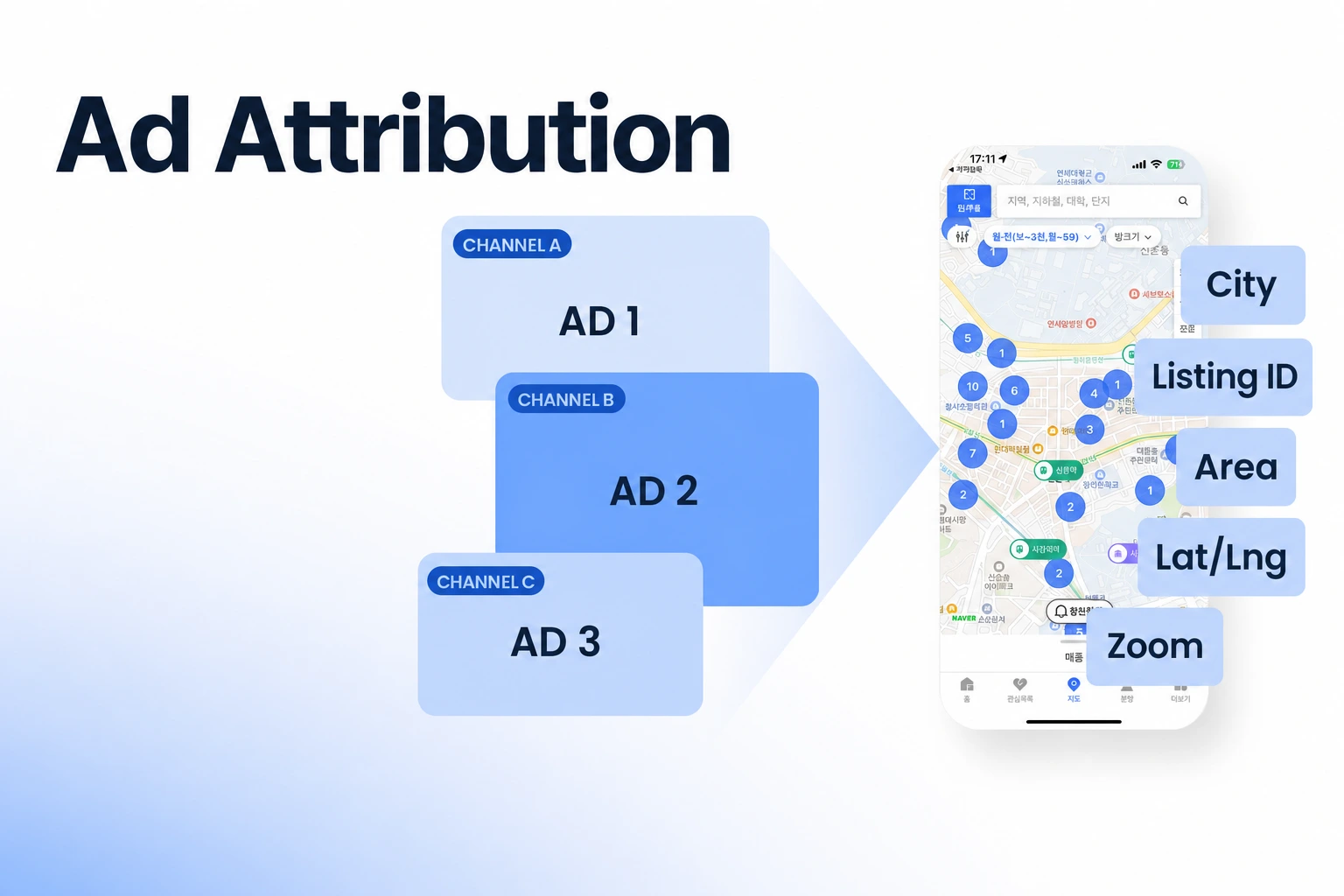
What to add to product analytics for ad attribution
- Keep product analytics for in-app actions, funnels, and retention.
- Add web tags or CRM conversion delivery when the paid campaign ends in a website purchase or lead.
- For app campaigns, Airbridge Core Plan connects Meta, Google, Apple Ads, TikTok, and creator links to app trials, subscriptions, and revenue.
- Use incrementality testing when you need to know whether ads caused additional conversions.
Ad attribution and product analytics answer different questions: keep product analytics for in-product behavior, then add campaign measurement for the conversion path you need. For website and CRM outcomes, send conversion events to the ad platforms you use.
What does ad attribution add to product analytics?
Product analytics shows what people do in your app or on your website. Ad attribution assigns conversion credit to campaign interactions. Conversion delivery sends selected event signals to advertising platforms, while incrementality testing estimates how many additional conversions advertising caused.
| Measurement layer | Question it answers | Example for a subscription app |
|---|---|---|
| Product analytics | What actions do people take, and where do they stop? | How many new users finish onboarding, start a trial, or return next week? |
| Ad attribution | Which campaign interactions receive credit for a conversion under the selected model? | Which campaign receives credit for a trial start or paid subscription? |
| Conversion delivery | Which conversion signals reach an ad platform for its reporting and optimization? | Does Google Ads receive a trial-start event or a later paid-subscription event? |
| Incrementality | How many conversions happened because ads ran? | Did an exposed group subscribe more often than a comparable group held out from the campaign? |
The distinction between behavior and campaign credit is practical. In Amplitude's event-tracking guide, event tracking records individual actions across websites and apps, and product analytics uses events to build funnels, cohorts, and user journeys. That kind of analysis can show where trial users abandon onboarding.
An attribution model is the rule used to distribute that credit. Google Ads Help explains that a person can interact with multiple ads before converting, and an attribution model determines how much credit each interaction gets. A model's credited conversions help you compare campaign paths under that rule.
Incrementality answers that causal question through a comparison group. In Google's explanation of Conversion Lift, the exposed group sees ads and the control group is held back; the difference in conversions estimates the lift. Use attribution when you need a consistent way to assign campaign credit. Use a lift experiment when your decision is whether advertising generated additional subscribers.
What should I add for website or CRM conversions?
Choose website conversion delivery when the conversion happens on a web page you control. Choose a CRM import or lead conversion setup when the meaningful result arrives later, such as a lead becoming qualified or completing a purchase. Keep your product analytics in place for the behavior path, then send ad platforms the conversion event that matches the business outcome you want them to report.
- Name the conversion you want ad reports to use. Pick one event with a clear business meaning, such as a completed web purchase, a submitted lead form, a qualified lead, or a paid subscription. If a form submission and a paid customer are both useful, give them separate event names and values so a platform report can distinguish early interest from revenue.
- Set up the website step for that conversion. For enhanced conversions for leads, Google Ads Help describes setup through Google Tag Manager when it already manages conversion tracking. Teams using the Google tag directly on a page can also configure enhanced conversions for leads there, when the tag is implemented directly rather than inside a third-party tool or iframe. The event should fire when the action is complete, with a stable event definition that your team can compare against product analytics or order records.
- Return later CRM outcomes to Google Ads. For click-based conversions, capture Google's click ID (GCLID) when the lead arrives, then record the later CRM outcome. In its offline conversion import guidance, Google Ads recommends enhanced conversions for leads for click conversions. Google Ads' offline import guidance says Data Manager can match imported conversions using GCLID and user-provided data. Choose the CRM import route your team can operate, and retain the relevant click or customer information with the lead record.
- Match website and CRM records for enhanced conversions for leads. Google's enhanced conversions for leads guidance uses hashed first-party details, such as an email address or phone number captured on a lead form, in the website and CRM steps. Confirm your privacy notice and consent settings allow the fields and platform use you plan to send.
- Reconcile the sent event with the business record. Compare the number of completed orders or CRM outcomes with the events received by the ad platform. Keep the event name, conversion time, and value definition consistent across systems.
When a website campaign sends people into a mobile app and the outcome you need is an install, trial, or subscription, use the app-path guidance below.
When does a mobile app need an MMP?
When a paid campaign starts outside the app and your reporting question follows people through an attributed install to an in-app trial or subscription, add an app-attribution layer alongside product analytics. Product analytics remains the place to inspect onboarding, feature use, paywall behavior, and retention. Airbridge Core Plan connects Meta, Google, Apple Ads, TikTok, and creator links to app trials, subscriptions, and revenue.
Apple's AdAttributionKit documentation describes a postback, a report sent after an ad-attributed conversion. For each AdAttributionKit postback, Apple's data tier sets how much detail the report can contain; Apple-signed postbacks omit user- and device-specific data. An MMP is useful when you need campaign reporting alongside your product's user-level behavior analysis.
Airbridge Core Plan's app setup uses the Airbridge SDK for iOS, Android, React Native, Flutter, Expo, or Unity.
A web-to-app campaign needs a bridge between the landing page and the app. Airbridge Core's documented links and web-to-app banner carry the source through the app-store install; deferred deep links can open the intended screen, and web-to-app clicks, installs, and subscriptions appear in one funnel. This fits a team that advertises on the web but needs to see which campaigns lead to app trials or subscriptions. A campaign that ends in a website lead or CRM sale calls for web conversion delivery instead.
How do I choose and validate the layer before changing budgets?
Work backward from the decision you want to make, then check that the measurement chain reports the event you care about. A campaign dashboard full of attributed conversions can still be hard to act on if the conversion means a form fill in one system and a paid subscriber in another.
- Write down the business outcome. Choose a specific event such as a paid subscription, a qualified lead, or a website purchase. For a subscription app, track trial starts separately from paid subscriptions so early intent and revenue have distinct meanings.
- Mark where that outcome occurs. A website purchase calls for a web conversion event. A qualified lead or later sale calls for a CRM conversion workflow. An app install followed by an in-app trial or subscription calls for app attribution.
- Assign an owner to each data layer. Keep the analytics tool responsible for in-product behavior and funnel analysis. Choose the system that sends campaign conversions to ad platforms, and name the source of truth for revenue, such as payment records or a CRM.
- Run a test conversion from end to end. Use a real test journey or an approved test event to confirm that the campaign parameters or click identifiers survive, the right event fires once, and the platform receives the intended value. For an app, test the link through the store, first open, and target screen, then check the trial or subscription event.
- Compare records before using reports to move spend. Reconcile platform conversions with the matching website orders, CRM outcomes, or app subscription events over the same date range and conversion definition. Investigate duplicate events, missing values, and differences in event timing before treating a campaign comparison as ready for a budget decision.
- Use a lift test for the causal question. When feasible, compare an ad-exposed group with a control group held back from ads. A lift result estimates additional conversions from the comparison, while an attribution report assigns credit across recorded ad interactions.
FAQS
FAQ
What is an attribution model in marketing?
An attribution model is a rule for assigning conversion credit across advertising interactions. In Google Ads Help, an attribution model determines how much conversion credit each ad interaction receives when a person interacts with multiple ads before converting.
What does the term attribution refer to in digital marketing?
Attribution means assigning conversion credit to recorded advertising interactions, such as ad interactions before a conversion. The model defines how that credit is distributed, while an incrementality test estimates conversions caused by advertising.
Do I need an MMP if my app already has product analytics?
Yes, when you need an app-campaign layer connecting campaign sources with downstream app outcomes; Airbridge Core Plan connects the listed channels and creator links to trials, subscriptions, and revenue. Product analytics continues to answer questions about in-app actions, funnels, and retention.
Should I send a CRM sale to an ad platform?
Yes, when a later CRM outcome is the conversion you want campaign reporting to use and your data permissions support sending the relevant fields. Google Ads' offline conversion import guidance describes importing CRM outcomes and matching eligible conversions to ad interactions with GCLID or user-provided data.

Get Started Free
See how these criteria hold up on the real thing.